

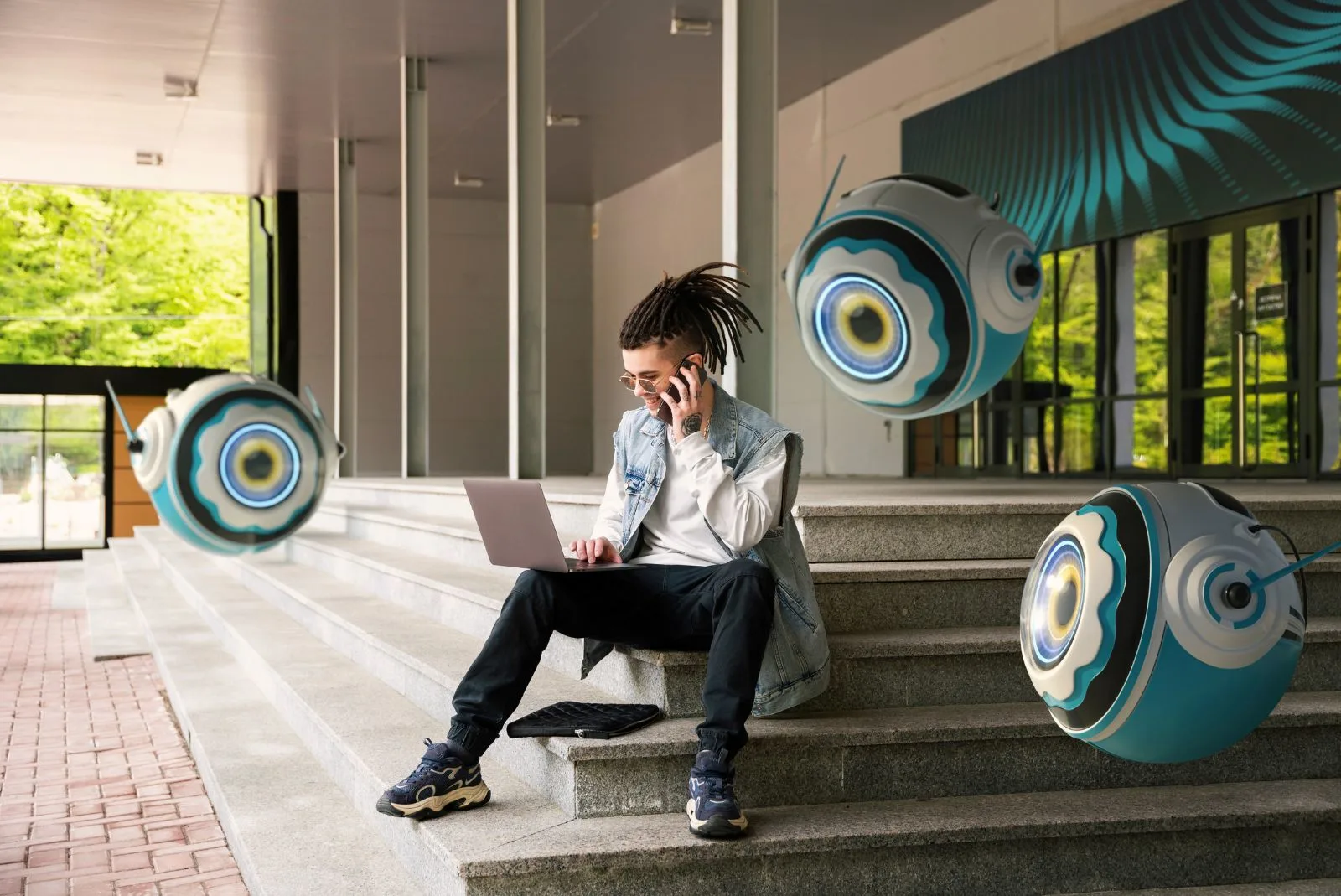
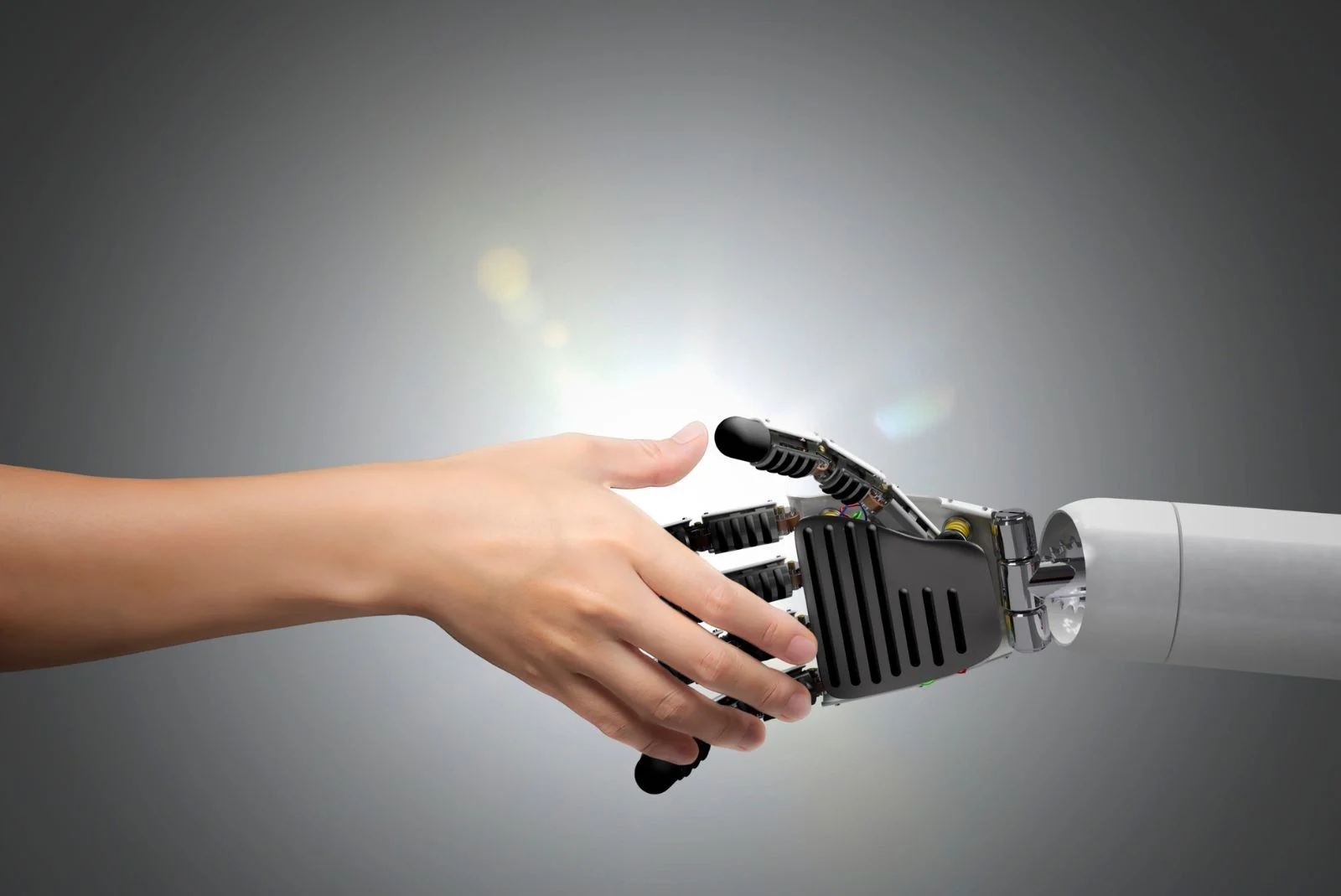









The most consequential shift in the workplace is not automation replacing people. It is automation sitting beside them.
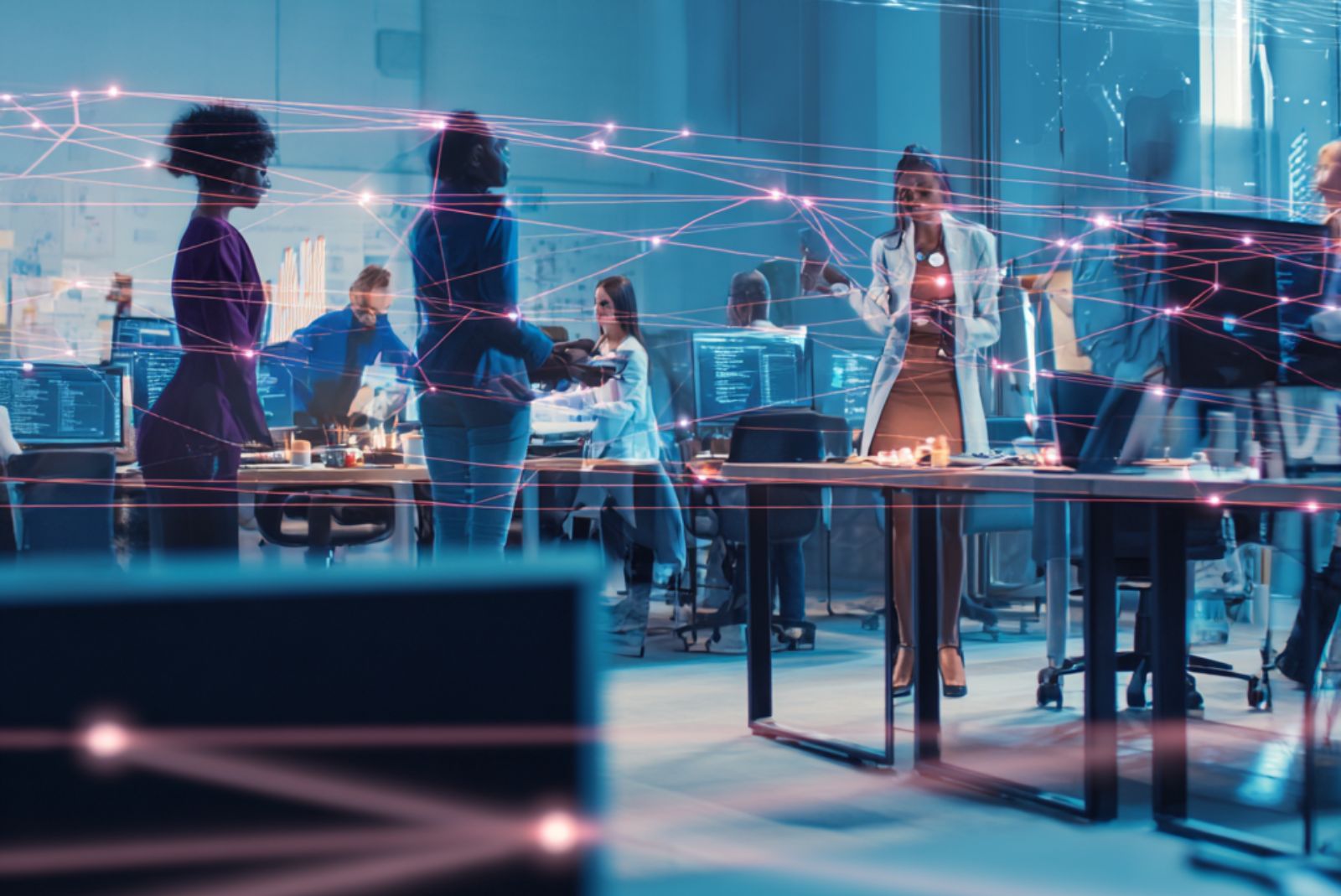
For decades, the narrative framed technology as substitution—machines displacing labor, software streamlining roles. What is unfolding now is more intricate. Algorithms draft reports. AI models analyze talent data. Decision-support systems simulate scenarios in seconds. Humans are no longer the sole cognitive engine in the room.
The question is no longer what machines can do independently. It is how humans and machines share cognitive space.
Human–Machine Collaboration
- Augmented Intelligence in Decision-Making
- Machines Handling Scale, Humans Providing Judgment
- Redefining Roles in an AI-Driven Workplace
- Trust and Governance in Algorithmic Support
- New Skills for Human–Machine Teams
- Collaboration Between Technology and Human Insight
This redefinition begins with judgment.
Machines excel at pattern recognition, scale, and speed. They surface correlations invisible to human analysts. They reduce variance in repetitive tasks. But judgment—ethical framing, contextual nuance, political sensitivity—remains human. Collaboration emerges not from competition, but from complementarity.
Yet complementarity is not automatic.
When algorithms provide recommendations—on hiring, credit approval, resource allocation—human actors may over-defer or overrule reflexively. Over-deference risks abdicating accountability. Overrule without analysis diminishes technological advantage. Effective collaboration requires leaders who can interrogate machine output critically without dismissing it.
The real question is no longer whether machines will replace humans, but how they will think together.
Power dynamics shift subtly.
Historically, expertise derived from experience and accumulated knowledge. With advanced analytics, insight becomes democratized. A junior analyst equipped with algorithmic tools may surface insights once reserved for seasoned executives. Authority must therefore be recalibrated from information possession to interpretation quality.

Work design evolves accordingly.
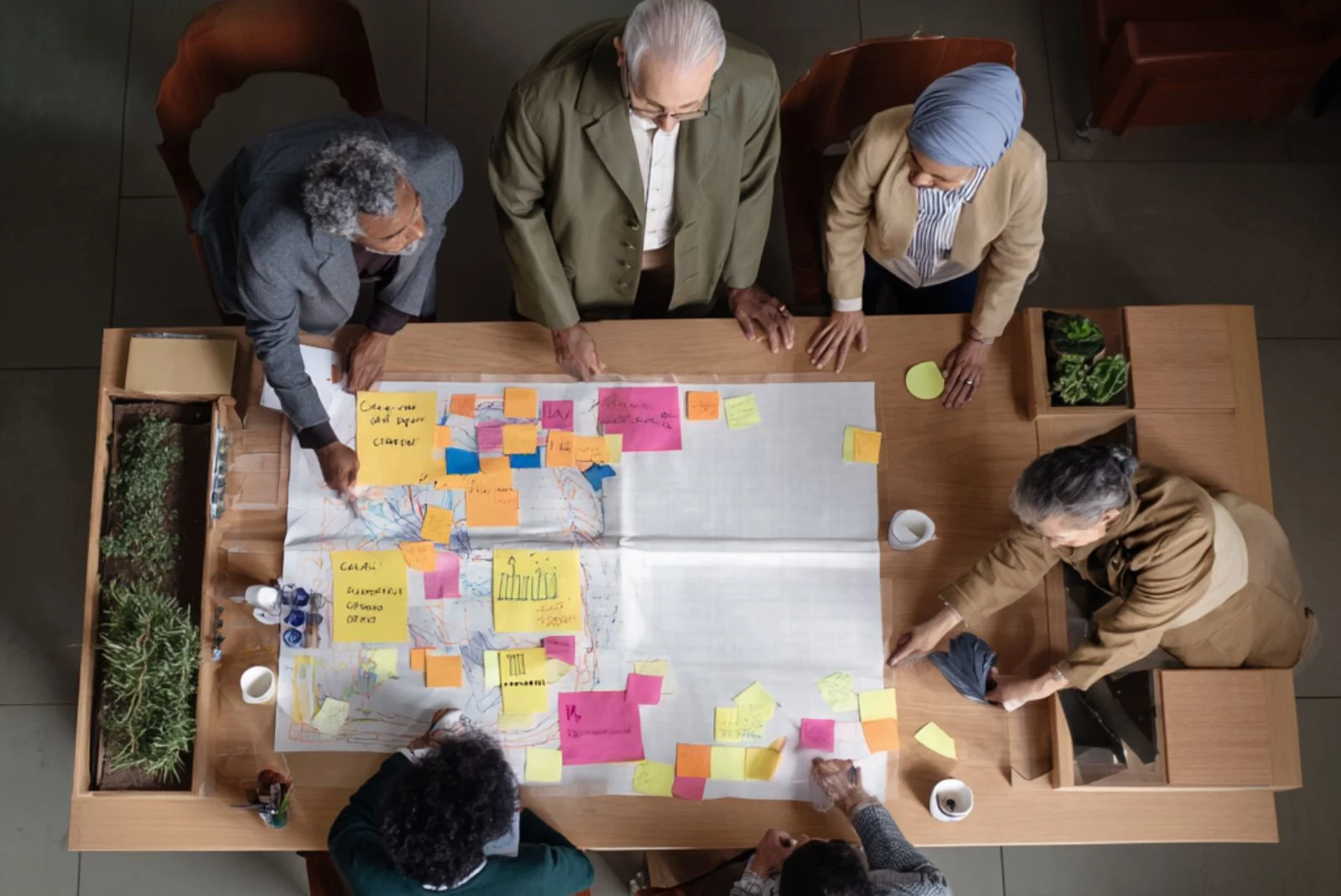
As machines absorb data-heavy tasks, human roles migrate toward synthesis, empathy, and strategic integration. Customer engagement requires emotional intelligence. Cross-functional coordination demands negotiation. Innovation depends on imaginative recombination of ideas. Collaboration between human and machine reshapes the competency model itself.
There are tensions beneath the surface.
Efficiency gains tempt organizations to compress timelines and headcount. If machine augmentation leads only to workload intensification, burnout follows. Conversely, if augmentation is treated as strategic leverage—freeing cognitive bandwidth for higher-order thinking—organizational capability expands.
Trust becomes central.
Employees must trust that algorithmic systems are transparent and fair. Leaders must trust that teams can operate with augmented tools responsibly. Without governance clarity, collaboration devolves into skepticism or blind reliance.
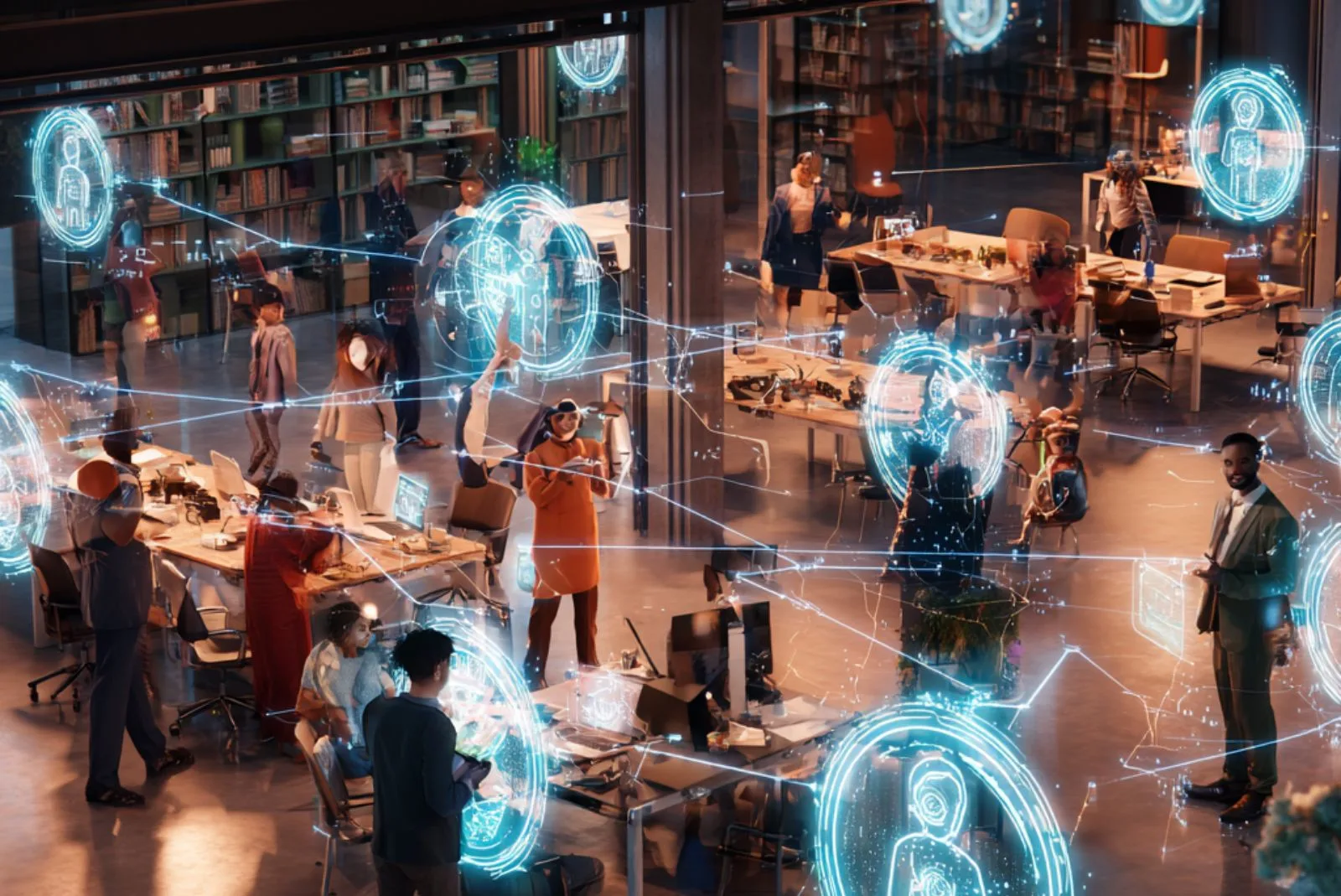
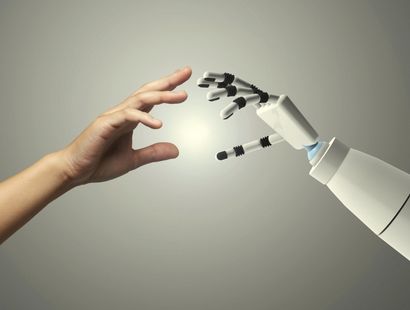
The boundary between tool and teammate blurs.
In some environments, AI systems draft initial communications, propose design iterations, and suggest strategic options. These contributions influence outcomes materially. When a machine-generated insight alters a decision path, accountability questions arise. Who owns the consequence? The coder? The user? The executive who approved deployment?
Second-order effects extend to identity.
Professionals who once defined expertise by technical mastery may feel destabilized when machines replicate core tasks. Redefining contribution around interpretation and creativity requires psychological adaptation. Organizations must navigate this identity shift carefully or risk disengagement.
Legacy systems constrain integration.
Performance metrics designed for human-only output may not capture collaborative efficiency. Incentives that reward individual productivity may discourage leveraging machine augmentation. Structural redesign is necessary to fully realize collaborative potential.
Human versus machine is an outdated framing. The emerging reality is human with machine.
The challenge is not preventing automation from advancing. It is designing organizations where collaboration enhances judgment rather than erodes it, where augmentation expands capability rather than concentrates control.
As machines assume more cognitive load, human responsibility becomes sharper, not lighter.
The real transformation lies in how leaders redefine contribution—not by what humans can outperform machines at, but by what humans must own when machines participate in the work.