


















Most organizations still design around “jobs” as if they are stable containers of value. Titles, job descriptions, reporting lines—these structures imply continuity. Yet the work inside them is fragmenting.
The shift underway is not about where work happens. It is about what a job actually represents.
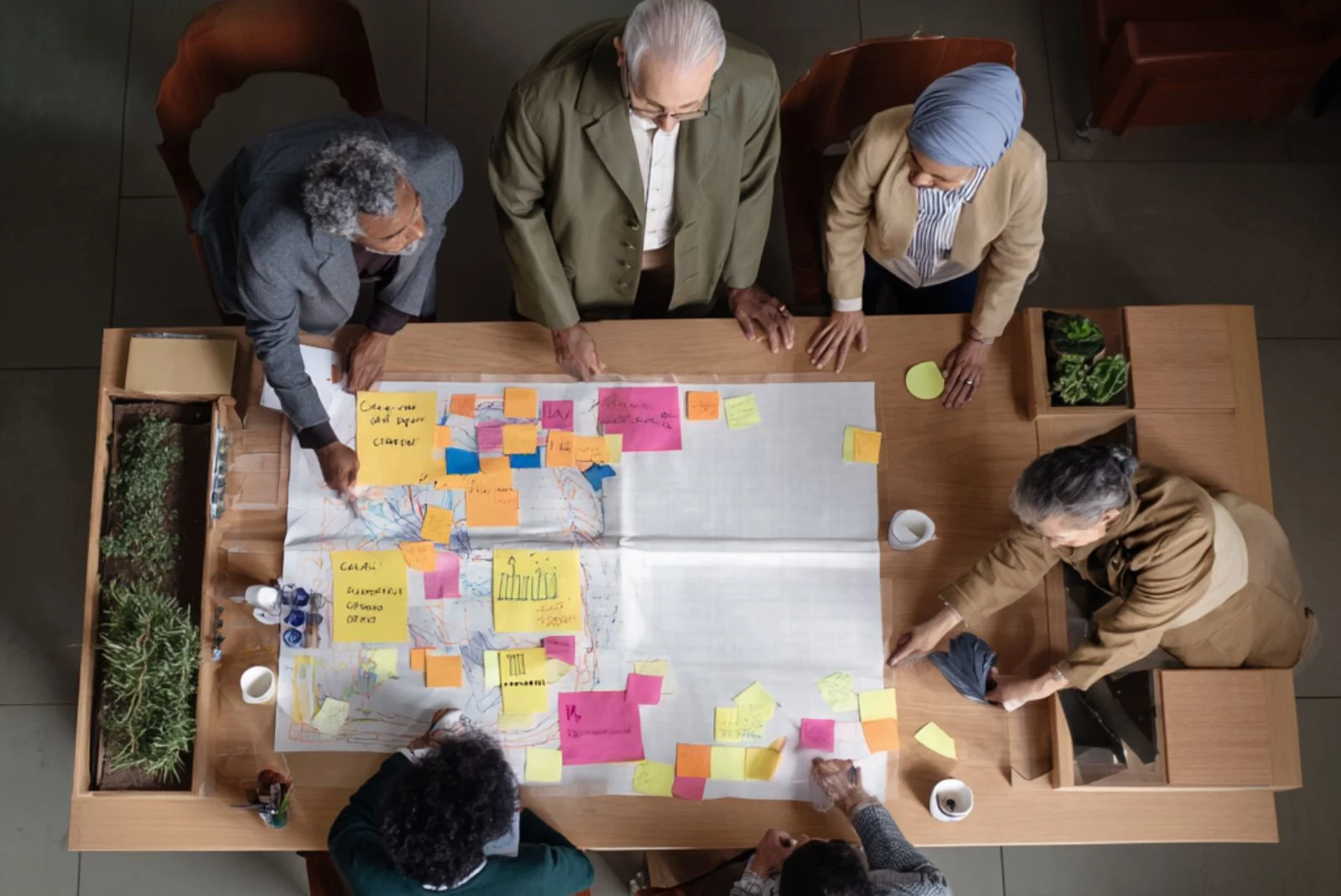
In many sectors, value creation has decoupled from static role definitions. Digital platforms disaggregate tasks. Automation absorbs repeatable components. Cross-functional initiatives blur traditional boundaries. The result is a subtle but structural transition: work is increasingly organized around skills, projects, and outcomes rather than fixed positions.
Redefining Work Structures
- From Fixed Roles to Dynamic Work Models
- Skills and Tasks Replacing Traditional Jobs
- Project-Based Contribution Over Static Positions
- Fluid Talent Deployment Across Teams
- Portfolio Careers Shaping Workforce Identity
- Organizations Built Around Work, Not Roles
This does not mean jobs disappear overnight. They coexist with emerging constructs. But their rigidity is under strain.
Consider how organizations respond to capability gaps. Instead of creating entirely new roles, many assemble temporary squads, draw talent from multiple functions, or engage independent specialists. Work is recomposed dynamically. The formal job remains, yet the actual contribution becomes fluid.
Work is no longer defined by roles, but by the problems people are capable of solving.
This fluidity challenges measurement.
Performance systems built around annual objectives struggle to capture project-based impact. Compensation structures tied to hierarchical progression lag behind portfolio careers. Even identity becomes unsettled. Professionals accustomed to defining themselves by title now navigate multiple affiliations simultaneously—project lead here, advisor there, independent contributor elsewhere.


The psychological shift is significant.
A job historically provided predictability—clear expectations, linear advancement, stable community. Work constructs, by contrast, emphasize adaptability. Individuals build skill portfolios rather than climb ladders. Organizations access talent through blended models—full-time employees, contractors, gig specialists, AI augmentation. The boundary between insider and outsider becomes porous.
Technology accelerates this recomposition but does not fully determine it. Digital tools enable coordination across geography and function. AI can match skills to tasks in real time. Yet legacy systems constrain flexibility. Payroll structures, compliance frameworks, and managerial mindsets are designed for role permanence. The architecture of the past coexists uneasily with emerging models.
This coexistence creates tension.
Flexibility expands autonomy but complicates accountability. When work is distributed across projects and contracts, who owns long-term capability building? How is alignment maintained when contributors move fluidly between teams? The simplicity of a job description once provided clarity. Work constructs demand more explicit governance.
There is also an equity dimension. Portfolio careers can empower highly skilled individuals while marginalizing those without access to continuous reskilling opportunities. Organizations experimenting with fluid talent models must confront whether opportunity is expanding or concentrating.
Within enterprises, competing models operate simultaneously. Core functions remain role-based to ensure stability and compliance. Innovation initiatives adopt agile, task-based structures. External talent supplements internal teams selectively. The future of work is not singular; it is layered.
The deeper transformation lies in how value is conceptualized.
If contribution is measured by output delivered rather than time spent in role, then evaluation systems must evolve. If skills are the currency, learning ecosystems become strategic infrastructure. If boundaries are porous, culture must travel beyond payroll status.
What appears as flexibility on the surface conceals complexity beneath. Reconfiguring work requires redesigning incentives, redefining loyalty, and rethinking leadership authority. It challenges assumptions about career security and organizational identity.
The end of jobs is not a declaration of their extinction. It is a recognition that their dominance as the primary organizing unit of work is eroding.
The question facing leaders today is not whether roles will disappear, but whether their organizations are prepared to operate in a world where work is modular, identities are fluid, and value is assembled rather than assigned.
That reconsideration begins not with futuristic speculation, but with examining how work is already being done—and what assumptions still anchor it unnecessarily.